Training and development programs are essential for organizations aiming to stay competitive and ensure the growth and productivity of their workforce. However, investing in training is not enough; it's crucial to measure the effectiveness and return on investment (ROI) of these programs. In this comprehensive guide, we will delve into the importance of measuring training effectiveness and ROI, along with actionable strategies to optimize your training initiatives for maximum impact.
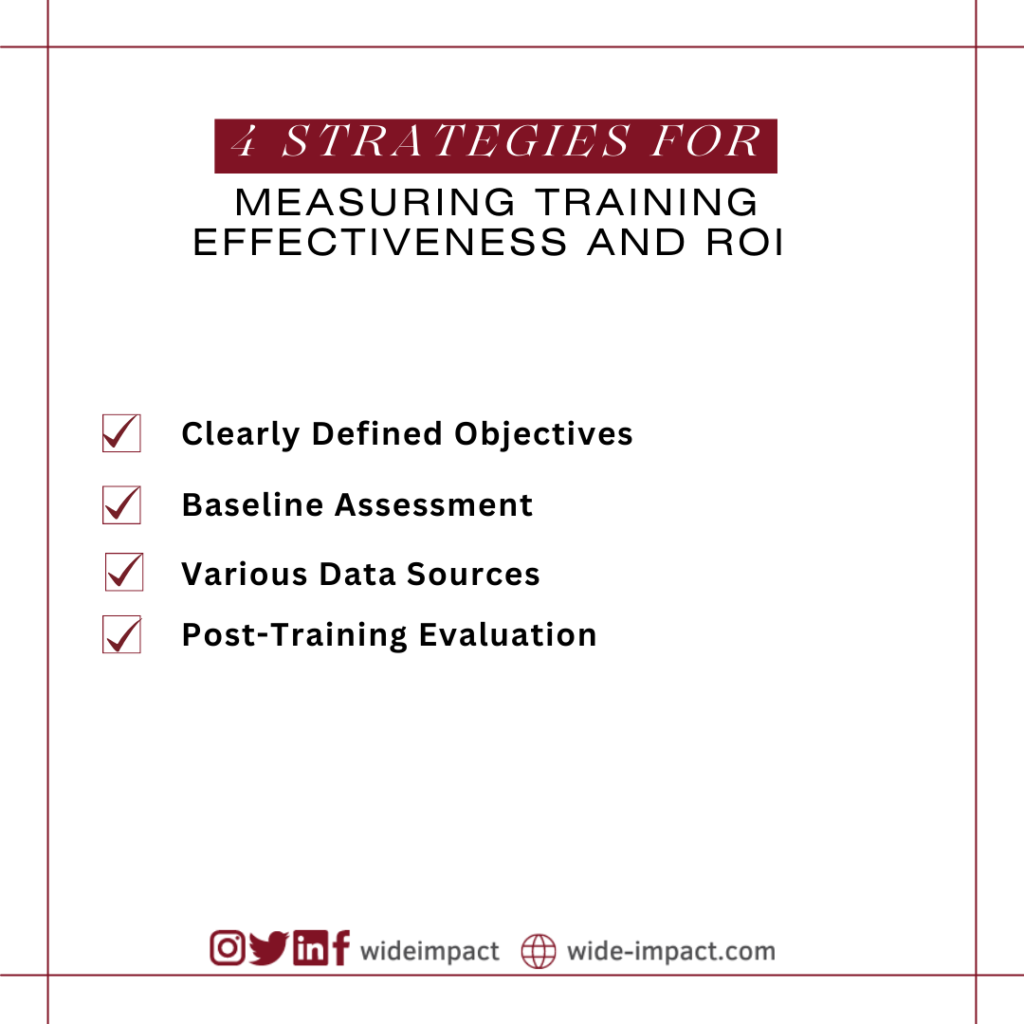
Many organizations invest significant resources in employee training and development programs. These initiatives are designed to enhance workforce skills, improve productivity, and drive overall organizational growth. However, for businesses striving to maximize their investments, a pressing question looms: How can one accurately measure the effectiveness of training programs and determine their Return on Investment (ROI)?
So, Are your training programs truly delivering the value they promise, and how can you be certain of their impact?
Why Measure Training Effectiveness and ROI?
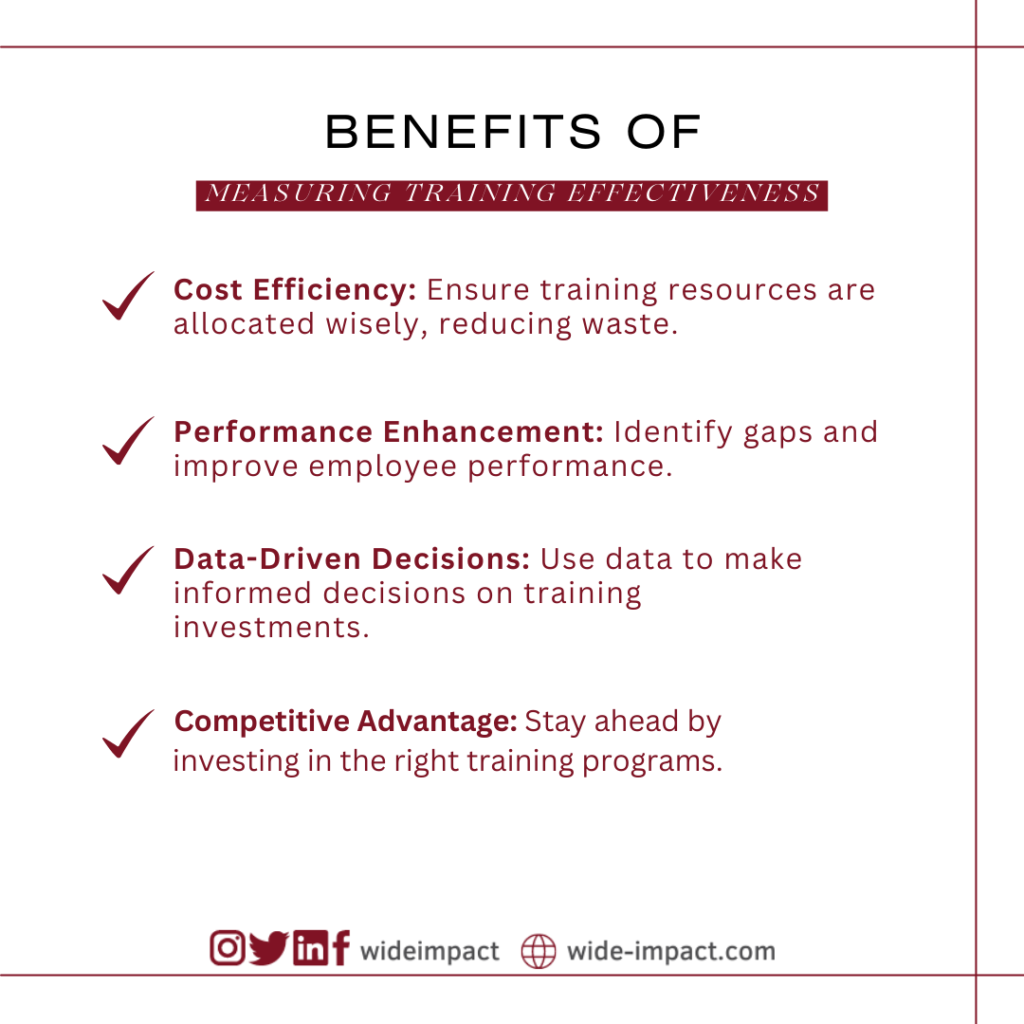
The value of training and development cannot be overstated. But how can you be sure that your training initiatives are delivering the results you need? That's where measuring training effectiveness and ROI comes into play. It's not just about crunching numbers; it's about unlocking the potential of your workforce. In this section, we'll explore the compelling reasons why measuring training effectiveness and ROI is a game-changer for organizations of all sizes, from justifying investments to staying one step ahead of the competition.
1. Justify Investments: Measuring training effectiveness and ROI helps organizations demonstrate the tangible benefits of their training programs, making it easier to secure funding for future initiatives.
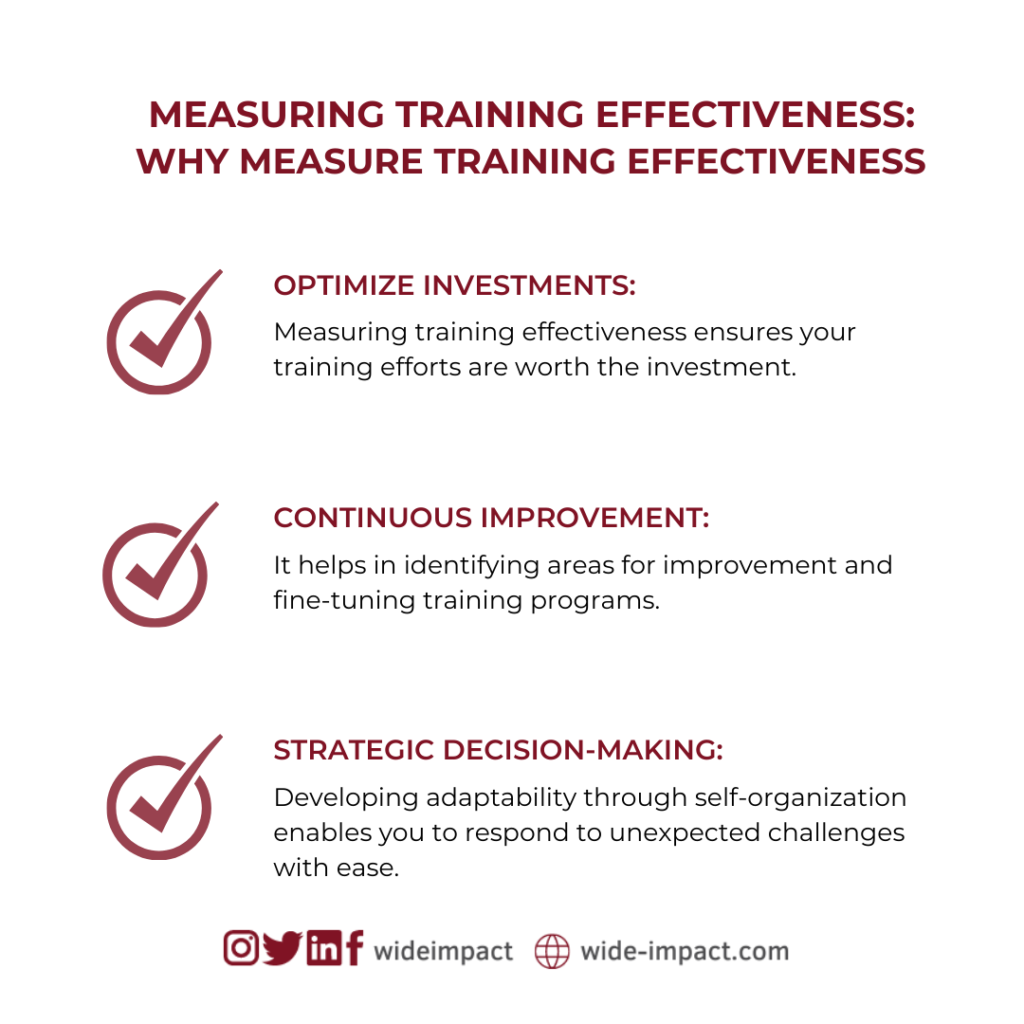
2. Identify Gaps: Assessing training effectiveness highlights areas where improvement is needed, enabling organizations to fine-tune their programs for better results.
3. Optimize Resources: By understanding what works and what doesn't, companies can allocate resources more efficiently, focusing on the most effective training methods.
4. Enhance Employee Performance: Effective training leads to improved employee performance, ultimately boosting productivity and profitability.
5. Stay Competitive: In a constantly evolving business landscape, staying competitive requires a skilled workforce. Measuring training ROI ensures your workforce remains up-to-date and capable.
Key Metrics to Measure Training Effectiveness and ROI
If your organization invests significant time and resources in training programs. The question that lingers is, "Did it truly make a difference?" This is where the rubber meets the road—measuring training effectiveness and return on investment (ROI). Metrics must not only answer that question but also optimize your training initiatives. These metrics are the compass to ensure your training endeavors are on the path to success.
1. Pre- and Post-Training Assessments: Compare employees' knowledge and skills before and after training to gauge the program's impact. This is where you'll witness the transformation, where potential becomes performance.
2. Employee Feedback: Collect feedback from participants to understand their perception of the training's quality and relevance. Gathering feedback allows you to gauge the quality and relevance of the training programs from the very individuals they are designed for. Their insights are invaluable in shaping future training initiatives and ensuring they hit the mark.
3. Skills Application: Assess how well employees apply what they've learned in their day-to-day tasks. It's the real-world application that matters most.
4. Cost-Effectiveness: Calculate the total cost of training (including materials, instructor fees, and employee time) and compare it to the resulting benefits.
5. Time-to-Competency: Measure how long it takes for employees to achieve the desired level of competence after training.
6. Employee Retention: Determine if training has an impact on employee retention rates.
7. Business Metrics: Link training outcomes to key business metrics such as increased sales, reduced error rates, or improved customer satisfaction.
Strategies to Improve Training Effectiveness and ROI
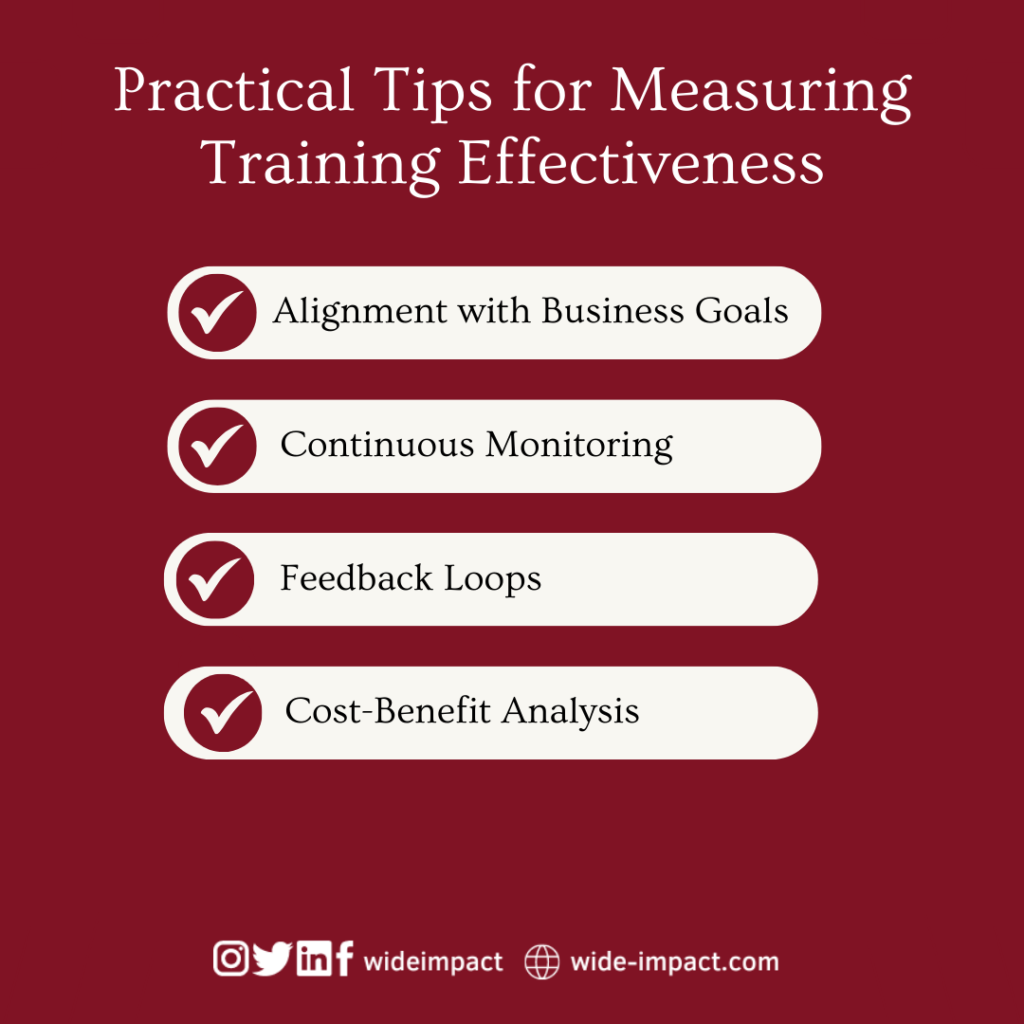
Realizing the full potential of your workforce through training is a worthy objective, but it's essential to recognize that training's conclusion marks the start of a transformative journey. To ensure that your training investments yield the most promising returns, you must chart a strategic course. Here’s a set of strategies crafted to elevate the effectiveness of your training initiatives and maximize your Return on Investment (ROI).
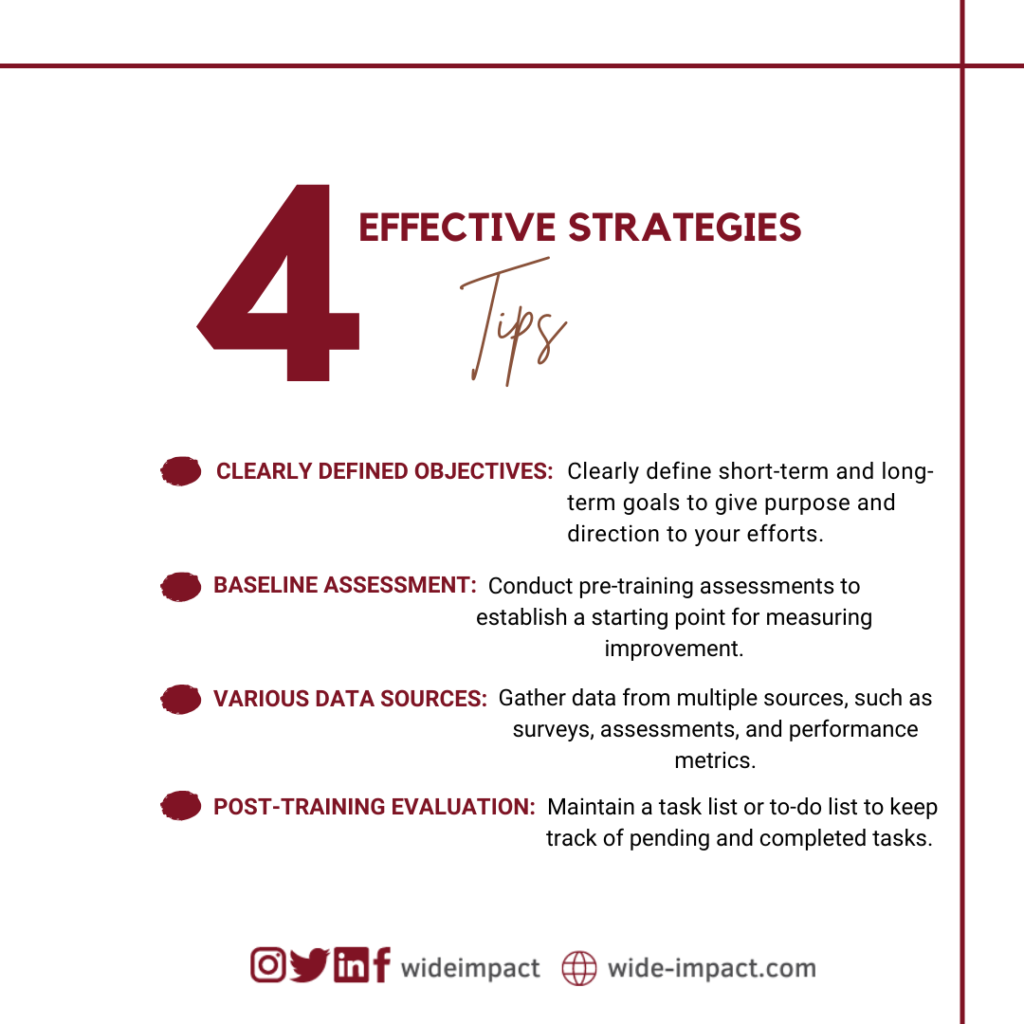
1. Set Clear Objectives: The cornerstone of effective training lies in setting clear goals. Enter SMART objectives - Specific, Measurable, Achievable, Relevant, and Time-bound. These objectives act as your North Star, providing direction and focus. They ensure that your training programs are not just a box to check but a strategic tool designed for success.
2. Customize Training: Tailoring is the secret ingredient to success. Just as one-size-fits-all rarely fits anyone perfectly, training should be customized. This strategy involves crafting training content that aligns precisely with your organization's goals and caters to the specific needs of your employees. It's a formula for training success that ensures engagement, relevance, and long-term impact.
3. Use Multiple Delivery Methods: Diversify your training methodologies, including e-learning, workshops, and hands-on on-the-job training. This approach caters to the unique learning styles of your workforce, ensuring that each individual is equipped with the tools and knowledge needed to thrive.
4. Regularly Update Content: Keep your training materials current. Regularly updating your materials to align with the latest industry trends and best practices ensures that your training remains relevant and impactful. This adaptability is key to achieving lasting training effectiveness and a substantial ROI.
5. Continuous Evaluation: Monitoring training programs is not a one-time event; it's an ongoing process. Regularly assess their impact and make adjustments when needed. This adaptability ensures that your training remains relevant and effective, guiding your workforce towards ever-greater excellence.
6. Provide Ongoing Support: Post-training support is the bridge between learning and application. By providing ongoing assistance and resources, you empower your employees to integrate what they've learned into their daily tasks, reinforcing training's impact and solidifying its ROI.
7. Technology Integration: To steer your training programs toward success, consider the power of Learning Management Systems (LMS) and other cutting-edge technologies. These tools not only facilitate the tracking of progress but also provide invaluable data insights. It's the digital compass guiding you towards a more data-driven and effective training journey.
Measuring Return on Investment (ROI) in Training: Tools and Techniques
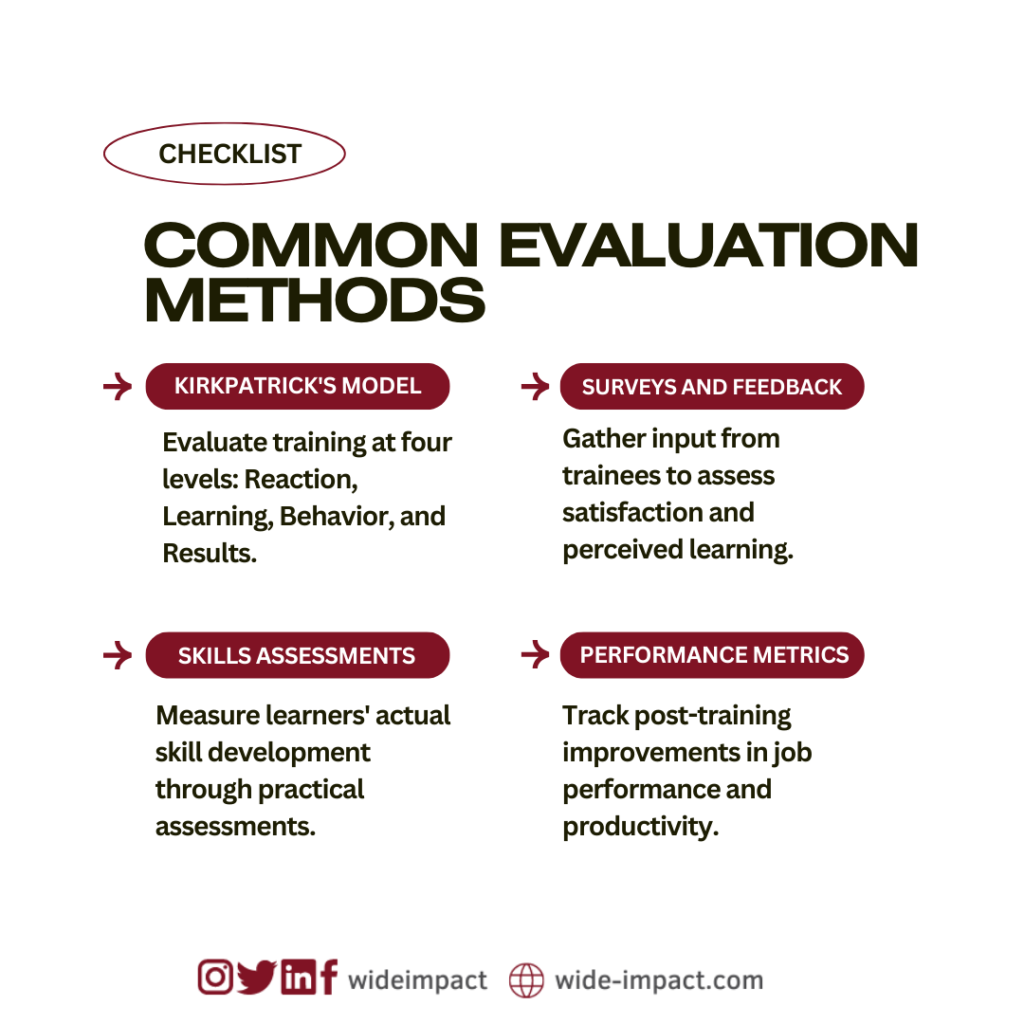
Efficiently assessing the Return on Investment (ROI) of training programs is crucial for organizations aiming to maximize their resources. This involves various tools and techniques that enable businesses to measure and improve the effectiveness of their training initiatives, ensuring a more informed and strategic approach to employee development.
Furthermore, Thanks to technological advancements, a variety of innovative resources are now at organizations' disposal for assessing training program effectiveness:
Training is not merely an investment in knowledge; it's an investment in the future of your organization. By measuring training effectiveness and ROI, we ensure that every effort counts. As we navigate this journey, remember, 'Learning never exhausts the mind.' – Leonardo da Vinci. Let the pursuit of knowledge drive your success, inspiring and motivating your team to reach new heights and achieve the extraordinary

Dr. Salam Slim Saad Training Manager - Wide Impact